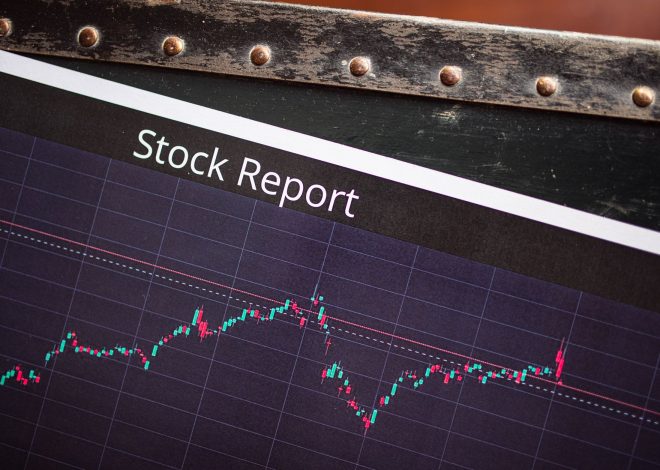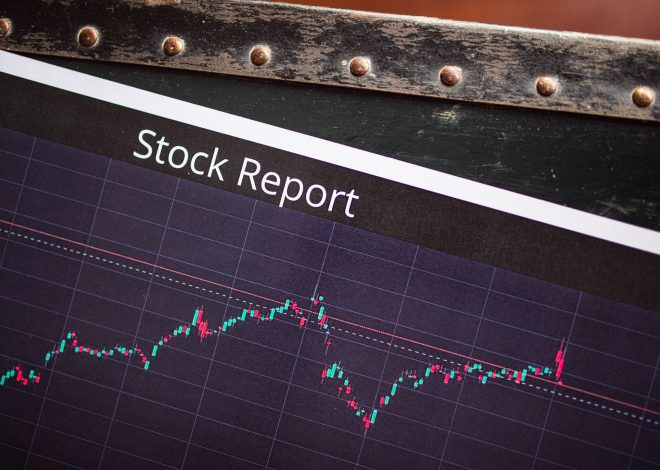
Share Markets Reverse: What Caused This Major Drop?
Share Markets Reverse today as the Sensex bleeds 550 points, leaving investors concerned. The Nifty also faced declines, nearing 22,350. Understanding the factors behind this downturn is crucial for market participants.
Market Overview of Today’s Decline
Today, the share markets reverse their previous gains, resulting in a significant downturn that has left investors concerned. The Sensex witnessed a steep decline of 550 points, closing at a troubling figure, while the Nifty hovered near the 22,350 mark. This notable drop has raised questions regarding the factors influencing the market’s sudden shift.
Several reasons have been identified as contributing to this downturn:
- Global Economic Concerns: A range of economic indicators from major economies has pointed to a potential slowdown, creating uncertainty among investors.
- Inflation Worries: Persistently high inflation rates have prompted fears of aggressive interest rate hikes, which could stifle growth.
- Corporate Earnings Reports: Recent earnings reports have failed to meet market expectations, further fueling pessimism.
- Geopolitical Tensions: Ongoing geopolitical issues have added an additional layer of risk, prompting traders to reassess their positions.
As the share markets reverse their course, analysts urge investors to remain cautious and vigilant in these volatile conditions.
Key Factors Behind Share Markets Reverse
The recent downturn in share markets has raised concerns among investors and analysts alike. Several key factors have contributed to this significant market reversal, resulting in a sharp decline in indices.
- Global Economic Concerns: Investors are increasingly worried about slowing economic growth in major economies, which has a ripple effect on market sentiment.
- Inflationary Pressures: Persistently high inflation rates continue to challenge central banks, prompting fears of aggressive interest rate hikes that could stifle growth.
- Geopolitical Tensions: Escalating conflicts and uncertainty in various regions have led to increased volatility in the markets, causing investors to retreat.
- Corporate Earnings Disappointments: Recent earnings reports from key companies have fallen short of expectations, raising doubts about the sustainability of the current economic recovery.
- Market Overvaluation: Many analysts believe that share markets were overvalued prior to this reversal, leading to necessary corrections.
As a result of these factors, share markets reverse course has left many investors anxious, prompting a reassessment of their portfolios and future strategies.
Impact on Investors and Traders
The recent downturn in share markets has left many investors and traders reeling from significant losses. As the markets reverse course, the emotional and financial impact is palpable across the trading community.
Analysts suggest that the sudden drop has triggered a wave of panic selling, with many investors opting to cut their losses rather than risk further declines. This reaction is particularly evident among retail investors who may lack the experience to navigate such turbulent conditions.
Professional traders, on the other hand, are adjusting their strategies to mitigate risks. Some are looking for opportunities to buy at lower prices, while others are adopting a more cautious approach, opting to liquidate positions until the market stabilizes.
Furthermore, the overall sentiment in the market has shifted dramatically. The fears surrounding inflation and rising interest rates are compounding the anxiety among investors. As they process the implications of these factors, many are questioning their investment strategies and long-term commitments.
In conclusion, the share markets reverse has not only affected stock prices but has also reshaped the mindset of investors and traders, forcing them to reconsider their positions in an uncertain environment.
Future Outlook for the Stock Market
The recent reversal in share markets has left many investors pondering the future outlook for the stock market. As the Sensex bled 550 points and the Nifty hovered near 22,350, analysts are divided on what lies ahead.
Several factors could influence the trajectory of the markets in the coming weeks:
- Economic Indicators: Key economic data releases, including inflation rates and employment figures, will be closely monitored. Positive results could restore investor confidence.
- Policy Changes: Anticipated monetary and fiscal policies from central banks may impact market sentiment. Any unexpected moves could lead to further volatility.
- Global Trends: International markets and geopolitical developments will play a critical role. A slowdown in major economies could exacerbate challenges for local markets.
- Investor Sentiment: The psychological aspect of investing cannot be underestimated. The current market conditions may lead to increased caution among traders.
In conclusion, while the share markets reverse has raised concerns, the future remains uncertain and will depend on a blend of economic data, policy responses, and investor behavior.
The recent trend where share markets reverse has left investors scrambling for answers. Analysts suggest that a combination of economic indicators and geopolitical tensions may have triggered this significant shift.
Photo by Leeloo The First on Pexels
Where this came from
Indian power stock: Is it the best investment right now? · Stock market outlook: Best proven strategies for today · Stock market investment trends: What’s the real story?