

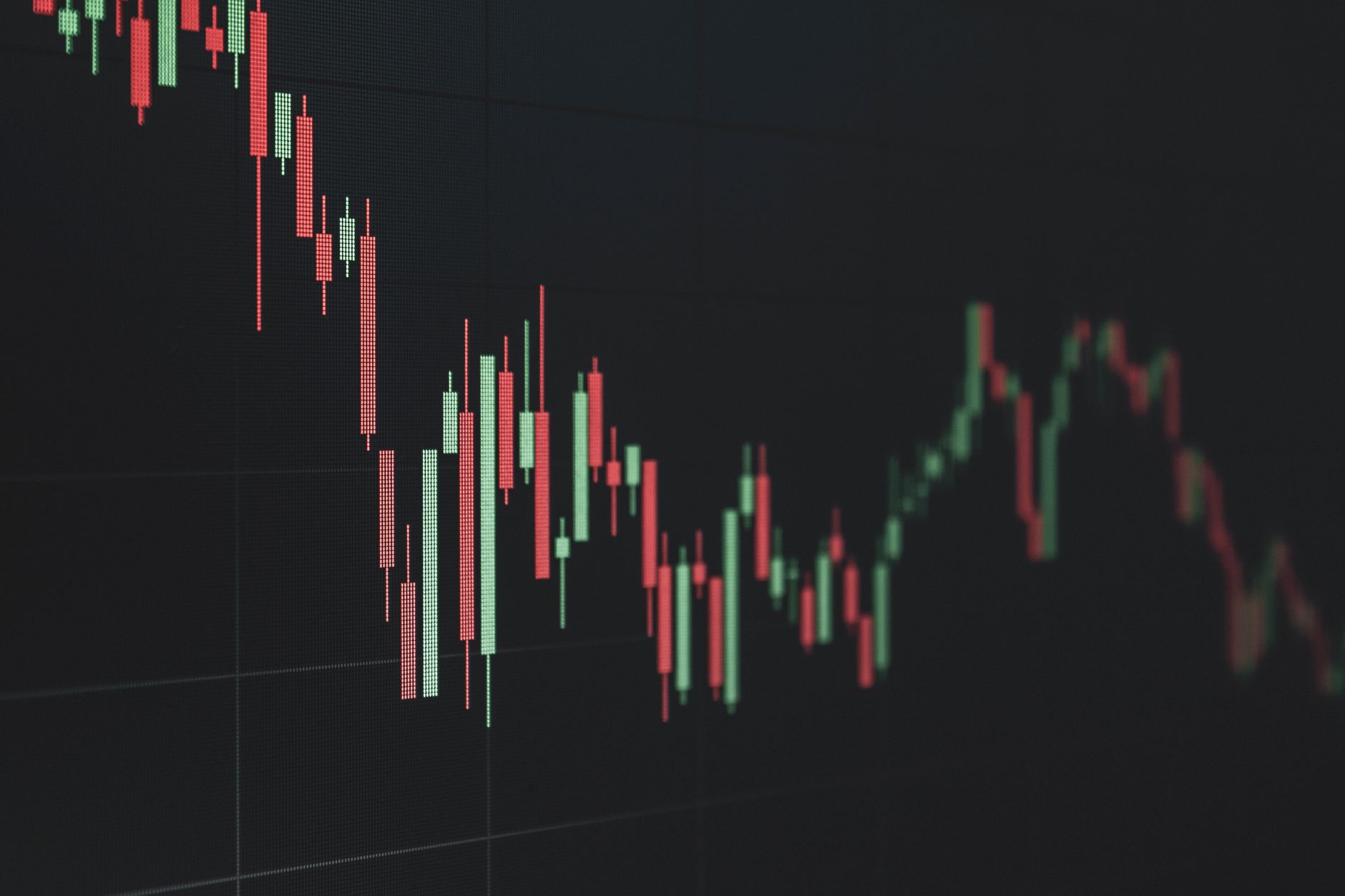
Sensex market trends: Best proven strategies for investors
Sensex market trends indicate a significant shift as the index closed 138 points higher. Investors are keen to understand the implications of this market reversal.
Understanding the Current Sensex Market Trends
The latest movements in the Sensex market trends have shown a notable resilience, with the index closing 138 points higher despite external pressures such as soaring oil prices. This upward shift indicates a potential reversal of previous losses, raising questions about the underlying factors contributing to this change.
Analysts suggest that investor sentiment has been bolstered by several key elements:
- Strong Corporate Earnings: Many companies have reported better-than-expected quarterly results, providing a positive outlook for investors.
- Global Market Influences: The international markets have shown signs of recovery, which often influences local trading sentiments.
- Policy Support: Government initiatives aimed at economic stability are fostering confidence in the market.
As the market continues to react to these dynamics, it is crucial for investors to stay informed about the latest trends and adjust their strategies accordingly. Understanding the current Sensex market trends can help in making informed decisions in this volatile environment.
Impact of Oil Prices on Market Performance
The recent fluctuations in oil prices have significant implications for the Sensex market trends, which investors must closely monitor. As oil prices soar, companies reliant on oil and gas may experience increased production costs, potentially leading to reduced profitability. This situation prompts a ripple effect throughout the market.
Several factors illustrate the impact of rising oil prices on the overall market performance:
- Inflationary Pressures: Higher oil prices often contribute to inflation, affecting consumer spending and investment decisions.
- Sector Vulnerability: Industries such as transportation and manufacturing, heavily dependent on fuel, may face margin compression, influencing their stock performance.
- Investor Sentiment: Fluctuating oil prices can lead to uncertainty, causing shifts in investor confidence and market volatility.
Despite these challenges, the recent trend indicates that the Sensex has shown resilience, closing higher even amid these soaring oil prices. Investors are encouraged to stay informed and adapt their strategies accordingly to navigate these complexities in the market.
Key Factors Driving Sensex Growth
Several key factors are currently driving the growth of the Sensex, showcasing the dynamic nature of the Indian stock market. Investors are keenly observing these elements to make informed decisions.
- Global Economic Recovery: The gradual recovery of economies worldwide is boosting investor confidence, leading to positive sentiment in the Sensex market trends.
- Corporate Earnings: Strong quarterly earnings reports from major companies are reinforcing market optimism, with many firms exceeding expectations.
- Monetary Policy Adjustments: The Reserve Bank of India’s stance on interest rates influences market liquidity, contributing to the Sensex’s upward trajectory.
- Foreign Investment: An influx of foreign institutional investment (FII) is propelling market growth, as international investors seek opportunities in the Indian market.
- Infrastructure Development: Government initiatives aimed at enhancing infrastructure are attracting attention and enhancing investor sentiment.
As these factors come into play, they create a robust environment for the Sensex, indicating a promising future for investors who are actively tracking market trends.
Investor Strategies for Navigating Market Changes
As investors navigate the fluctuating landscape of the Sensex market trends, adopting effective strategies can significantly enhance their portfolio’s resilience. Here are some proven approaches to consider:
- Diversification: Spreading investments across various sectors can mitigate risks associated with market volatility. This strategy helps in balancing potential losses in one area with gains in another.
- Long-term Investment: Focusing on long-term growth rather than short-term gains can lead to more stable returns. Investors should consider holding onto quality stocks during market downturns.
- Regular Monitoring: Keeping an eye on market indicators, such as the Sensex performance and global economic factors, allows investors to make informed decisions and adjust their strategies as needed.
- Staying Informed: Continuous education about market trends and economic factors, such as oil prices, can empower investors to react proactively to changes in the environment.
By implementing these strategies, investors can better position themselves to thrive amid the dynamic Sensex market trends.
Future Predictions for Nifty and Sensex
As investors look towards the future, predictions for the Nifty and Sensex are becoming increasingly important in shaping investment strategies. Analysts suggest that while the recent market trends have shown resilience, particularly with the Sensex closing 138 points higher, there are several factors to consider.
Market sentiment remains cautious due to ongoing fluctuations in oil prices, which can heavily influence economic conditions. However, there are signs that the Sensex could continue to exhibit strength in the coming months. Key predictions include:
- Stabilization in Oil Prices: If oil prices stabilize, it could provide a boost to the overall market.
- Continued Foreign Investment: An influx of foreign capital may further support Nifty and Sensex growth.
- Sectoral Performances: Specific sectors like technology and pharmaceuticals are expected to thrive, impacting overall market trends.
Investors should remain vigilant and adapt their strategies in response to these evolving trends in the Sensex market.
Understanding the Sensex market trends is crucial for making informed investment decisions. By analyzing past performance and current indicators, investors can better navigate the complexities of Sensex market trends.
Photo by Arturo A on Pexels
Read the original
