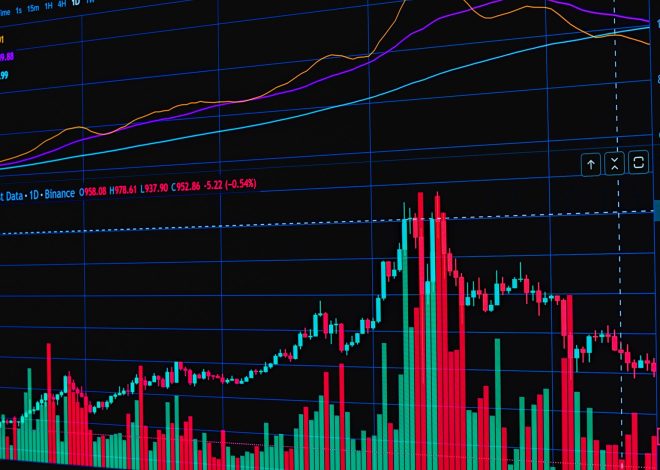
Is the Market Nearing a Bottom? Proven Strategies to Invest Smart
The market nearing a bottom has raised interest among investors. With valuations becoming attractive, experts predict Q2 earnings growth will surpass Q1 figures.
Understanding Market Valuations
As investors navigate the tumultuous waters of the current economic landscape, understanding market valuations has become increasingly vital. With sentiments shifting, many analysts suggest that the market nearing a bottom might present a unique opportunity for strategic investment.
Market valuations are determined by various factors, including earnings, economic indicators, and investor sentiment. A common metric used to assess these valuations is the price-to-earnings (P/E) ratio, which compares a company’s current share price to its earnings per share. When this ratio is low, it may indicate that a stock is undervalued and could potentially lead to higher returns in the future.
In the context of the recent market analysis, several points stand out:
- Attractive Valuations: Many stocks are currently trading at lower P/E ratios compared to historical averages, signaling potential value.
- Improved Earnings Growth: Analysts anticipate that Q2 earnings growth will surpass that of Q1, reinforcing optimism about economic recovery.
- Investor Sentiment: Increasing interest from institutional investors suggests a growing confidence in the market’s potential rebound.
By keeping a close eye on these indicators, investors can better position themselves to capitalize on opportunities as the market approaches what many believe could be a turning point.
Q2 Earnings Growth Predictions
As analysts assess the current financial landscape, many are focusing on the predictions for Q2 earnings growth. With the market nearing a bottom, expectations are building that companies will show stronger performance compared to the previous quarter. According to insights from Shriram AMC fund manager, several factors contribute to this optimistic outlook.
- Improved Consumer Spending: A rebound in consumer confidence has led to increased spending in various sectors, particularly in retail and services, which could drive earnings higher.
- Cost Management Strategies: Many companies have implemented effective cost management strategies that are expected to enhance profitability, allowing for better earnings results.
- Technological Advancements: Innovations and technological improvements are streamlining operations and reducing expenses for numerous businesses, resulting in higher margins.
- Global Economic Recovery: The gradual recovery from economic disruptions caused by the pandemic is expected to boost demand and improve overall earnings.
Analysts predict that these factors will not only support positive Q2 earnings growth but also reinforce the notion that the market is indeed nearing a bottom. Investors are advised to monitor these trends closely, as they may present valuable opportunities for strategic investments in the coming months.
Expert Insights from Shriram AMC
According to experts at Shriram AMC, the current market conditions suggest that the market nearing a bottom could be an opportunity for savvy investors. The fund managers have highlighted several factors contributing to this outlook.
- Valuation Metrics: The analysis indicates that stock valuations have become increasingly attractive. With many stocks trading at lower price-to-earnings ratios, the potential for upsides has captured the attention of institutional and retail investors alike.
- Q2 Earnings Growth: Expectations for Q2 earnings are optimistic, with predictions that growth will surpass that of Q1. This anticipated improvement in corporate earnings could further support the market recovery.
- Global Economic Indicators: Analysts at Shriram AMC have noted positive shifts in key global economic indicators, which may provide a favorable backdrop for domestic markets.
- Investment Strategies: The fund managers recommend a diversified approach to investing during this period. Focusing on sectors that are poised for growth can mitigate risks while capitalizing on potential gains.
As the market shows signs of stabilization, experts encourage investors to stay informed and consider their strategies carefully. Making informed decisions now could yield significant benefits in the upcoming market cycle.
Investment Strategies for 2023
As investors navigate the complexities of the current economic landscape, identifying effective investment strategies for 2023 is crucial. With the market nearing a bottom, savvy investors can capitalize on opportunities that arise during this phase of recovery.
One recommended strategy is to focus on value investing. This approach involves identifying undervalued stocks with strong fundamentals that are likely to rebound as the market stabilizes. Investors should conduct thorough research to find companies with solid earnings potential that are currently trading below their intrinsic value.
Additionally, diversification remains a key strategy. By spreading investments across various sectors, investors can mitigate risks and enhance returns. Areas such as technology, healthcare, and renewable energy may present promising options as the market begins to recover.
Another approach is to consider income-generating investments. Stocks that pay dividends can provide a steady income stream while waiting for capital appreciation. As earnings growth predictions for Q2 suggest a potential upswing, these investments can serve as a cushion during turbulent times.
Finally, staying informed about market trends and economic indicators is essential. Regularly reviewing financial news and expert analyses can help investors make informed decisions as the market nears a bottom.
Analyzing Market Trends
As investors look to navigate the current economic landscape, many are pondering whether the market is nearing a bottom. Recent trends indicate a potential shift, with several key factors influencing market movements.
Firstly, analysts point to a significant drop in stock prices over the past few months, which has led to a more favorable valuation environment. This decline has made certain sectors particularly appealing to investors seeking bargains. Furthermore, the anticipated earnings growth for the second quarter is expected to exceed that of the first quarter, providing additional optimism.
Another important trend is the shift in consumer sentiment. With inflation pressures beginning to ease, consumers are expected to increase spending, which could stimulate economic growth and bolster corporate earnings. Many market experts believe this could signal that the market is nearing a bottom, as increased consumer confidence often correlates with improved business performance.
Additionally, investment flows into equity markets have shown signs of recovery, suggesting that institutional and retail investors are preparing to capitalize on perceived opportunities. However, it is crucial for investors to approach this environment with caution.
In conclusion, while signs point towards the market nearing a bottom, investors should stay vigilant and consider proven investment strategies to navigate potential volatility in the months ahead.
What Investors Should Know
As the market shows signs of stabilization, many investors are beginning to ask the crucial question: is the market nearing a bottom? In light of recent analyses and reports, there are several key factors that potential investors should consider before making decisions.
- Market Sentiment: Investor sentiment can heavily influence market movements. With increasing optimism stemming from improved earnings forecasts, a positive shift in sentiment may signal that the market is indeed nearing a bottom.
- Valuation Metrics: With valuations appearing more attractive, investors might find opportunities in undervalued stocks. Assessing price-to-earnings ratios, price-to-book ratios, and other financial metrics can provide insights into potential investments.
- Diversification Strategies: In uncertain times, diversifying one’s portfolio can help mitigate risks. Investors should consider various asset classes to balance potential losses in a volatile market.
- Long-term vs. Short-term: While some may be tempted to jump in and capitalize on short-term gains, a long-term investment strategy often proves more beneficial, especially if the market is indeed nearing a bottom.
Ultimately, while the indicators suggest a possible market bottom, investors should conduct thorough research and remain cautious. Staying informed about market trends and economic indicators will be crucial in making smart investment decisions.
The Impact of Economic Indicators
The current economic landscape is showing signs that the market is nearing a bottom, prompting many investors to reassess their strategies. Key economic indicators play a crucial role in determining market health and future potential. Among these indicators, the following are particularly influential:
- Gross Domestic Product (GDP): A rising GDP indicates economic growth, often leading to increased consumer spending and business investment.
- Unemployment Rates: Lower unemployment rates typically signal a robust economy, which can boost investor confidence and market performance.
- Inflation Rates: Moderate inflation can suggest a healthy economy, while excessive inflation can lead to market volatility. Monitoring these rates allows investors to gauge purchasing power.
- Consumer Confidence Index: High consumer confidence often correlates with increased spending, providing a positive outlook for market growth.
As these indicators show improvement, they suggest that the market may be stabilizing, presenting attractive valuations for savvy investors. Additionally, historical trends indicate that when economic indicators stabilize and show positive movement, the stock market often follows suit. Thus, understanding these economic signals is essential for investors looking to capitalize on potential opportunities as the market nears a bottom.
Future Outlook for Indian Markets
The future outlook for Indian markets appears cautiously optimistic as analysts suggest that the market is nearing a bottom. Amidst fluctuating economic conditions and ongoing global uncertainties, investors are starting to see signs that valuations are becoming increasingly attractive. This shift may provide a conducive environment for strategic investment opportunities.
Several factors contribute to this outlook:
- Improved Earnings Potential: With Q2 earnings expected to surpass Q1 figures, companies are showing resilience and adaptability, which can bolster investor confidence.
- Global Economic Recovery: As the global economy begins to stabilize, Indian markets may benefit from increased foreign investment and positive trade relationships.
- Government Initiatives: Ongoing reforms and supportive fiscal policies by the Indian government are aimed at stimulating growth and attracting investments, thereby strengthening market fundamentals.
- Long-term Growth Prospects: Analysts emphasize that despite short-term volatility, the long-term growth story of India remains strong, driven by demographic advantages and technological advancements.
Investors should remain vigilant and consider these indicators as they navigate the current landscape. As the market nears a bottom, adopting a disciplined approach and focusing on fundamentally sound investments may yield significant benefits.
As investors analyze current trends, many are questioning if the market nearing a bottom presents a unique opportunity for strategic investments. By employing proven strategies, one can navigate the uncertainties associated with the market nearing a bottom effectively.
Photo by Kadir Avşar on Pexels
Read the original
Related reading