Introduction: Simplifying Commodity Exposure for the Modern Investor
Commodities — from gold and crude oil to lithium and wheat — are the backbone of the global economy. They hedge inflation, diversify portfolios, and provide exposure to the real-world drivers of growth. Yet, traditional commodity trading has long required complex contracts, storage logistics, and deep market knowledge.
Today, that’s changing. Investors using a Global trading platform can access commodities effortlessly through Exchange-Traded Funds (ETFs) — vehicles that track the price of individual resources or broad commodity indices. These instruments bridge the gap between institutional traders and everyday investors, simplifying access to one of the most powerful asset classes in modern finance.
What Are Commodity ETFs?
Commodity ETFs are investment funds traded on stock exchanges, designed to mirror the price movement of underlying commodities or baskets of commodities. Instead of directly owning barrels of oil or ounces of gold, investors own ETF shares that reflect those assets’ performance.
Two Main Types of Commodity ETFs
- Physically Backed ETFs
These hold the actual commodity in secure vaults or warehouses — for instance, gold or silver ETFs backed by physical bullion. Investors indirectly own a share of tangible reserves. - Futures-Based ETFs
These use derivatives contracts (such as futures) to track price performance. Common for oil, natural gas, or agricultural products where physical storage is impractical.
Each structure offers unique benefits — physical ETFs offer transparency and simplicity, while futures-based ETFs allow broader diversification and exposure to commodities that can’t be physically stored.
Why Investors Choose Commodity ETFs
Commodity ETFs have grown into a cornerstone of diversified portfolios, attracting institutions and individuals alike. Their appeal lies in accessibility, transparency, and liquidity.
1. Accessibility
Historically, commodity investing required futures trading accounts or large minimum investments. ETFs remove these barriers, allowing investors to trade commodity exposure as easily as shares of stock.
A gold ETF, for example, gives instant access to precious metals without the complexities of storage, purity verification, or insurance.
2. Diversification
Commodities often move independently of equities or bonds. Including them in a portfolio helps reduce overall volatility and hedge inflation. A balanced allocation across gold, oil, and agricultural ETFs can enhance risk-adjusted returns.
3. Inflation Protection
During inflationary periods, commodity prices typically rise as production costs and demand pressures increase. ETFs provide a simple hedge without the need for direct commodity trading.
4. Liquidity and Cost Efficiency
Since ETFs trade on major exchanges, they offer high liquidity and lower transaction costs compared to futures or physical assets. Expense ratios are typically minimal, and positions can be entered or exited instantly.
Examples of Leading Commodity ETFs
1. Gold ETFs
ETFs like SPDR Gold Shares (GLD) and iShares Gold Trust (IAU) allow exposure to gold’s performance without physical handling. They are backed by gold reserves stored in secure vaults.
2. Oil and Energy ETFs
Funds such as the United States Oil Fund (USO) or Invesco DB Energy Fund track crude oil and energy futures. These help investors gain exposure to the energy sector without managing futures contracts directly.
3. Agricultural ETFs
Products like Teucrium Wheat Fund (WEAT) or Invesco DB Agriculture Fund (DBA) allow participation in food commodity markets that benefit from population growth and climate-linked supply constraints.
4. Broad Commodity Index ETFs
Diversified options, like the iShares S&P GSCI Commodity-Indexed Trust, track multiple commodities across sectors — energy, metals, and agriculture — offering broad exposure and reduced single-asset risk.
Understanding the Risks
While commodity ETFs simplify investing, they still carry specific risks that traders must manage strategically.
1. Volatility
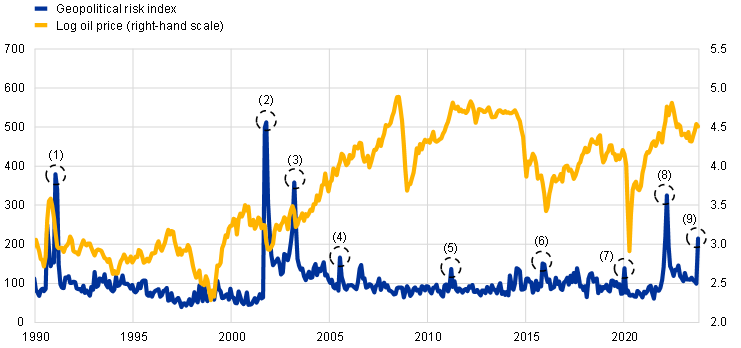
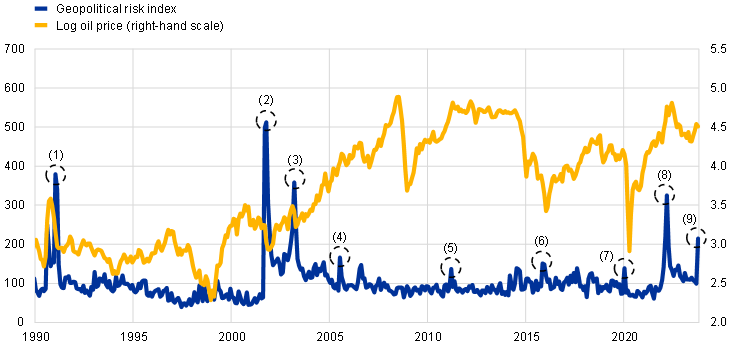
Commodity prices can swing sharply due to geopolitical conflicts, weather patterns, or production shocks. This volatility can amplify both profits and losses within short time frames.
2. Contango and Backwardation
Futures-based ETFs may underperform when rolling contracts forward in a contango market (where future prices exceed spot prices). Understanding the futures curve is crucial for accurate performance expectations.
3. Currency Fluctuations
Since commodities are typically priced in U.S. dollars, ETFs denominated in other currencies may experience exchange rate impacts, affecting returns for international investors.
4. Regulatory and Environmental Factors
Government policies, export bans, and ESG regulations can significantly alter commodity demand and supply dynamics.
How Commodity ETFs Fit Into a Diversified Portfolio
Commodity ETFs serve multiple strategic functions in modern portfolios:
- Inflation Hedge: Gold and oil ETFs protect purchasing power when fiat currencies weaken.
- Diversifier: Agricultural and metal ETFs reduce correlation with equities and fixed income.
- Speculative Tool: Traders use short-term commodity ETFs to capture momentum or hedge volatility.
- Thematic Exposure: ETFs focusing on rare earths, lithium, or clean energy commodities tap into megatrends like EV growth and renewable infrastructure.
Example Allocation:
A moderate-risk investor might allocate:
- 50% equities and fixed income
- 20% energy and metals ETFs
- 10% agricultural ETFs
- 20% cash or digital asset hedges
This structure balances long-term growth with inflation protection and sector diversification.
The Role of ETFs in Institutional Commodity Strategy
Institutional investors — from pension funds to sovereign wealth funds — increasingly use commodity ETFs as tactical tools. They enable:
- Quick Market Access: Enter or exit positions without complex derivative setups.
- Portfolio Rebalancing: Adjust exposure instantly across global commodity baskets.
- Transparency: Real-time tracking of holdings and performance metrics.
For high-net-worth (HNW) and family office clients, ETFs provide a liquid gateway to traditionally illiquid markets, combining convenience with control.
Bancara’s Approach to Commodity ETFs
Bancara empowers investors to access global commodity markets seamlessly through its multi-asset ecosystem. Its platform integrates ETFs into a broader portfolio strategy, allowing clients to trade, hedge, and diversify with precision.
Bancara’s Commodity ETF Capabilities Include:
- Global Market Access: Trade leading ETFs tracking energy, metals, and agricultural commodities from one secure account.
- Advanced Analytics: Evaluate performance, volatility, and correlations across asset classes.
- Hedging Integration: Combine ETF exposure with futures, FX, or CFD positions for risk-adjusted returns.
- Real-Time Liquidity: Institutional-grade execution with minimal spreads and deep market depth.
- Multi-Currency Portfolios: Hold ETFs in various currencies to manage global exposure and FX fluctuations.
Bancara’s infrastructure blends speed with strategy — equipping investors to adapt to evolving global supply and demand cycles.
The Future of Commodity ETFs
As sustainability and digital transformation redefine global trade, the ETF market is evolving rapidly.
- ESG Integration: Expect more funds tracking “green commodities” like lithium, copper, and carbon credits.
- Blockchain Transparency: Tokenized ETFs may soon offer on-chain verification of physical reserves.
- AI-Powered Allocation: Machine learning will enhance ETF portfolio optimization and risk forecasting.
In essence, commodity ETFs are no longer passive instruments — they are becoming strategic vehicles for innovation-driven wealth building.
Conclusion: The Smart Gateway to Global Commodities
Commodity ETFs have revolutionized how investors engage with real assets. They combine the accessibility of equities with the diversification power of commodities — without the complexity of futures trading or physical storage.
Through Bancara’s Global trading platform, investors can access global ETFs, analyze cross-asset correlations, and execute strategies that balance performance with protection. Whether hedging inflation, diversifying portfolios, or capturing long-term megatrends, commodity ETFs offer the simplest path to a complex world of opportunity.
Bancara – Southeast Asia Office, Bancara – Southern Africa Regional Office — explore the Bancara location.