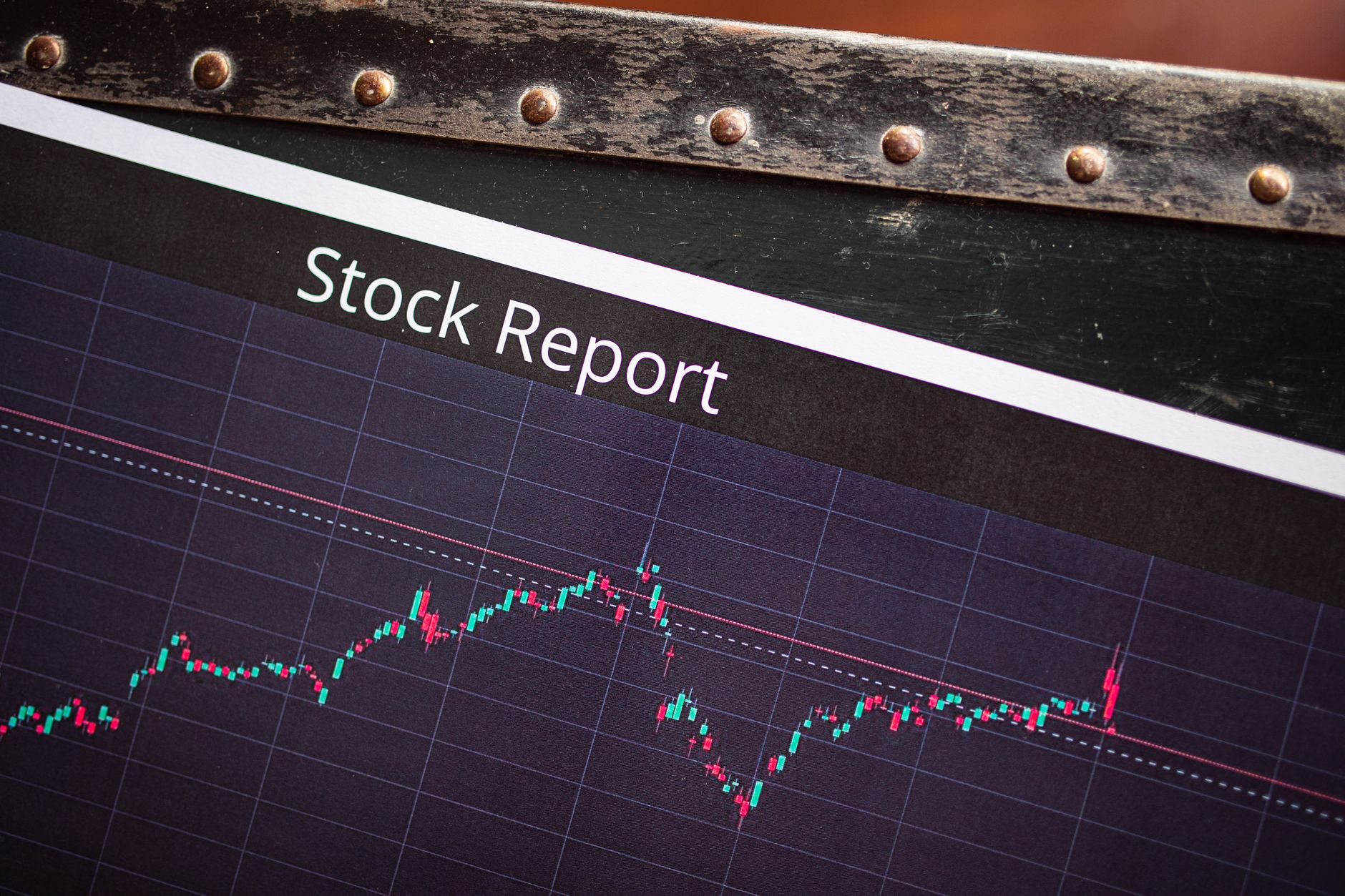
Stock market investment trends: What’s the real story?
Stock market investment trends are shifting dramatically as IPOs are witnessing billions of dollars in investments despite a crashing market. This paradox raises questions about investor confidence and market dynamics.
Understanding the Current Stock Market Situation
The stock market has experienced significant fluctuations recently, leaving many investors puzzled about the underlying trends. Despite reports of a crashing market, the investment landscape is not entirely bleak. In fact, certain sectors are witnessing a surge in interest, particularly in initial public offerings (IPOs).
Investors are increasingly drawn to IPOs, which have attracted billions of dollars in funding. This trend raises questions about the broader stock market investment trends and what they signify for the future. Analysts suggest that while traditional stocks may be facing challenges, the appetite for new, innovative companies remains strong.
Several factors contribute to this phenomenon:
- Market Sentiment: Investor confidence can shift rapidly, often influenced by economic indicators and global events.
- Technological Advancements: New companies that leverage technology and address current market needs are gaining traction.
- Diversification Strategies: Many investors are looking to diversify their portfolios, moving towards emerging sectors.
As the stock market continues to evolve, understanding these investment trends will be crucial for both seasoned and novice investors alike.
Why are IPOs Thriving Now?
The stock market investment trends have taken an unexpected turn as Initial Public Offerings (IPOs) are thriving despite a generally bearish market. Several factors contribute to this phenomenon, making it essential to understand the current landscape.
- Investor Optimism: Many investors remain hopeful about the long-term growth potential of new companies, viewing IPOs as opportunities for substantial returns.
- Technological Advancements: Startups, particularly in tech, have been able to secure significant funding, leading to increased interest in their public offerings.
- Market Diversification: Investors are diversifying their portfolios, seeking to capitalize on emerging sectors that IPOs often represent.
- Strong Demand: The demand for shares in newly public companies has remained robust, with many offerings being oversubscribed.
- Economic Recovery: As the economy shows signs of recovery, investors are more willing to take risks on new ventures.
While the broader stock market faces challenges, the thriving IPO landscape indicates a complex relationship between investor sentiment and market conditions. This trend highlights a shift in focus towards innovative companies, shaping future stock market investment trends.
The Impact of Market Crashes on Investments
The stock market is notorious for its volatility, and market crashes can have profound effects on investment behaviors. When significant downturns occur, investors often reassess their strategies, leading to shifts in stock market investment trends.
Historically, a market crash prompts a flight to safety, with many investors reallocating their funds to more stable assets, such as bonds or commodities. This behavior is driven by a desire to mitigate risks associated with equities during turbulent times. However, not all investors retreat; some see market downturns as opportunities to buy undervalued stocks, potentially leading to significant returns when the market rebounds.
Moreover, the impact of a crash can vary based on the type of investor. For institutional investors, large-scale sell-offs may result in short-term losses but can provide strategic openings for long-term gains. In contrast, retail investors may panic and exit the market altogether, locking in losses.
In this complex environment, understanding the dynamics of stock market investment trends becomes crucial for both new and seasoned investors. As they navigate the aftermath of a crash, their decisions will continue to shape the future of the market.
Investor Sentiment During Market Fluctuations
Investor sentiment plays a crucial role in shaping stock market investment trends, particularly during periods of volatility. As market fluctuations occur, emotions such as fear and greed often dictate investors’ actions, leading to significant impacts on trading behavior.
Recently, despite the stock market experiencing notable downturns, investor enthusiasm for initial public offerings (IPOs) has remained robust. This dichotomy raises questions about the underlying motivations driving investors.
Several factors contribute to the current landscape:
- Risk Appetite: Many investors are willing to embrace higher risks in pursuit of substantial returns, especially with new companies entering the market.
- Market Sentiment: Positive sentiment around specific sectors, particularly technology and renewable energy, can lead to increased investment in IPOs, even amidst broader market declines.
- Long-term Strategies: Some investors adopt a long-term perspective, viewing market dips as opportunities to acquire shares at lower prices, thereby remaining undeterred by short-term fluctuations.
Ultimately, understanding investor sentiment during these turbulent times provides valuable insights into the evolving stock market investment trends.
Future Predictions for IPO Investments
As the stock market experiences fluctuations, experts are making predictions about the future of IPO investments. Despite the current market instability, there is a notable trend where companies are still opting to go public, suggesting a resilient interest in stock market investment trends.
Analysts are observing several key factors that may influence IPO performance in the coming months:
- Market Recovery: Many believe that a recovery in the stock market could lead to a surge in IPO activity, as companies look to capitalize on improved investor sentiment.
- Sector Growth: Sectors such as technology and healthcare are projected to continue attracting investor interest, making them prime candidates for IPOs.
- Increased Retail Participation: A growing number of retail investors are entering the market, potentially driving demand for new stock offerings.
- Innovative Business Models: Startups with unique and scalable business models are likely to draw significant investments, even in a downturn.
Overall, while challenges persist, the resilience of IPOs indicates a shifting landscape in stock market investment trends that investors should closely monitor.
Key Strategies for Navigating Market Changes
As the stock market experiences significant fluctuations, investors are seeking key strategies for navigating these changes effectively. Understanding stock market investment trends is crucial for making informed decisions that align with both short-term and long-term financial goals.
One effective strategy is to diversify investment portfolios. By spreading investments across various sectors and asset classes, investors can mitigate risks associated with market volatility. Additionally, staying informed about market news and trends helps in identifying potential opportunities and threats.
Another approach is to adopt a long-term perspective. Rather than reacting impulsively to market dips, investors should focus on the underlying value of their investments. This strategy allows for potential recovery and growth over time.
Furthermore, utilizing dollar-cost averaging can be beneficial, especially during turbulent times. This method involves regularly investing a fixed amount of money, which reduces the impact of market volatility on overall investments.
Finally, consulting with financial advisors can provide personalized insights and strategies tailored to individual risk tolerance and investment objectives, ensuring a more resilient approach to navigating the stock market landscape.
Photo by RDNE Stock project on Pexels
Read the original
Is the Market Nearing a Bottom? Proven Strategies to Invest Smart · Importing Gold Tax Relief: Worst Impact on Buyers Revealed · Poonawalla Fincorp Q2 results: Clear insights on performance