

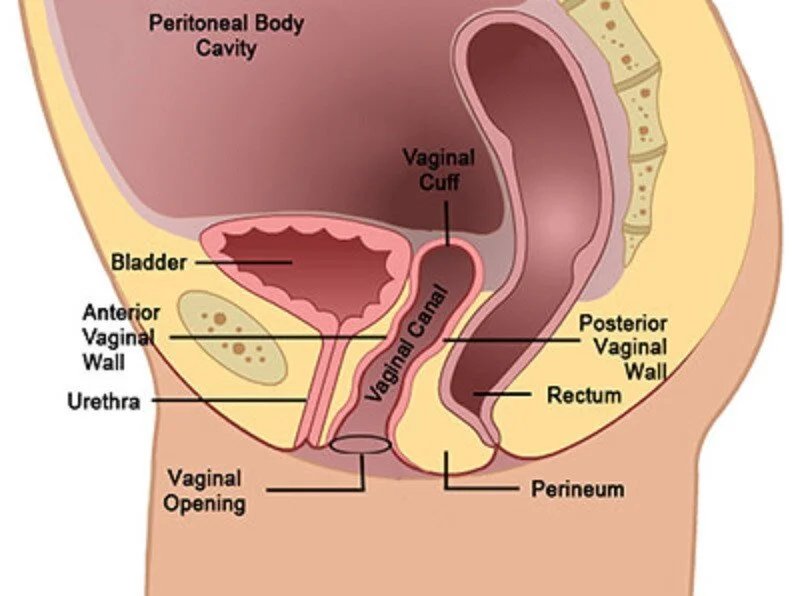
Exploring The Visuals: What Does A Vaginal Cuff Look Like
A vaginal cuff, post-hysterectomy, appears as a small horizontal incision at the top of the vagina. This seamless closure marks the spot where the uterus once connected to the vaginal wall. The vaginal cuff may vary in appearance based on the surgical technique used and individual healing processes. Understanding what the vaginal cuff looks like can provide insight into post-operative recovery and potential complications. Let’s delve deeper into the intricacies of this crucial aspect of gynecological surgery.

What Does a Vaginal Cuff Look Like: A Detailed Exploration
Welcome, young learners, to a fascinating journey to discover the wonders of the human body! Today, we are going to delve into the intriguing world of the vaginal cuff. Have you ever wondered what a vaginal cuff looks like? Let’s embark on this adventure together to unravel the mysteries of this remarkable part of the female reproductive system.
The Anatomy of the Vaginal Cuff
First things first, let’s understand what the vaginal cuff actually is. The vaginal cuff is a term used to describe the closed end of the vaginal canal that is created during a hysterectomy, a surgical procedure to remove the uterus. Once the uterus is removed, the upper part of the vagina is sewn closed to create what is known as the vaginal cuff. This cuff serves as the endpoint of the vaginal canal and is an essential part of the female reproductive system.
What Does the Vaginal Cuff Look Like?
Now, let’s get to the exciting part – what does the vaginal cuff look like? The vaginal cuff appears as a small, circular opening at the top of the vagina. It is typically located deep within the vaginal canal and is closed off with stitches or surgical staples after a hysterectomy. The appearance of the vaginal cuff may vary depending on the type of hysterectomy performed and the individual’s healing process.
When looking at the vaginal cuff, you may notice that it appears as a smooth, rounded area that is slightly raised compared to the surrounding vaginal walls. The color of the vaginal cuff can range from pink to light red, depending on the level of blood flow to the area. It is important to note that the vaginal cuff is a delicate area that requires proper care and attention after surgery to ensure proper healing.
Understanding the Function of the Vaginal Cuff
While the vaginal cuff may seem like a small, insignificant part of the female reproductive system, it plays a crucial role in maintaining the integrity of the pelvis and supporting surrounding structures. The vaginal cuff acts as a barrier that protects the internal organs, such as the bladder and rectum, from descending into the vaginal canal.
Additionally, the vaginal cuff is vital for sexual function and enjoyment. It provides support to the upper part of the vagina and helps maintain vaginal tone, which can impact sexual sensation and pleasure. Therefore, the vaginal cuff is not just a physical structure but also an important component of a woman’s overall health and well-being.
Caring for the Vaginal Cuff
After undergoing a hysterectomy, it is essential to take proper care of the vaginal cuff to promote healing and prevent complications. Your healthcare provider will provide specific instructions on how to care for the vaginal cuff, which may include avoiding strenuous activities, refraining from sexual intercourse, and keeping the area clean and dry.
It is crucial to attend follow-up appointments with your healthcare provider to monitor the healing of the vaginal cuff and address any concerns or issues that may arise. By following your healthcare provider’s guidance and taking good care of yourself, you can ensure the optimal healing of the vaginal cuff and maintain your overall well-being.
Exploring the anatomy and function of the vaginal cuff has been an enlightening journey. We have learned that the vaginal cuff is a significant part of the female reproductive system that plays a crucial role in supporting pelvic structures and maintaining sexual function. By understanding what the vaginal cuff looks like and how it functions, we can appreciate the complexity and beauty of the human body.
Remember, young learners, our bodies are amazing creations that deserve our care and attention. The next time you hear about the vaginal cuff, you will no longer wonder what it looks like – you will have a clear picture in your mind of this essential part of a woman’s anatomy.
Until next time, keep exploring and learning about the incredible world of science and biology!
What happens after a total hysterectomy? #drrich #doctorrich #womenshealth #hysterectomy #obgyn
Frequently Asked Questions
What is the appearance of a vaginal cuff post-surgery?
Following a hysterectomy, the vaginal cuff appears as a small, circular opening at the top of the vagina. It is typically smooth and pink in color, resembling a healed surgical incision site.
How does the vaginal cuff heal after a hysterectomy?
After a hysterectomy, the vaginal cuff undergoes a healing process similar to other surgical incisions. The tissue gradually closes and forms a scar, creating a flat and well-healed surface over time.
Can the appearance of the vaginal cuff change over time?
Yes, the vaginal cuff may evolve in appearance as it continues to heal and mature post-surgery. Initially, it may appear more raised and reddish, but over time, it usually flattens out and blends with the surrounding vaginal tissue.
Final Thoughts
In conclusion, the vaginal cuff is the upper portion of the vagina after a hysterectomy. It appears as a flat, scarred area at the top of the vaginal canal. The vaginal cuff typically has a smooth texture and may be slightly pink in color. Understanding what a vaginal cuff looks like is important for post-operative monitoring and to detect any signs of complications.

Related Posts

Essential Burritocraft Tips: A Flavorful Guide

Exploring Elly Clutch Leaked: Insights & Updates
