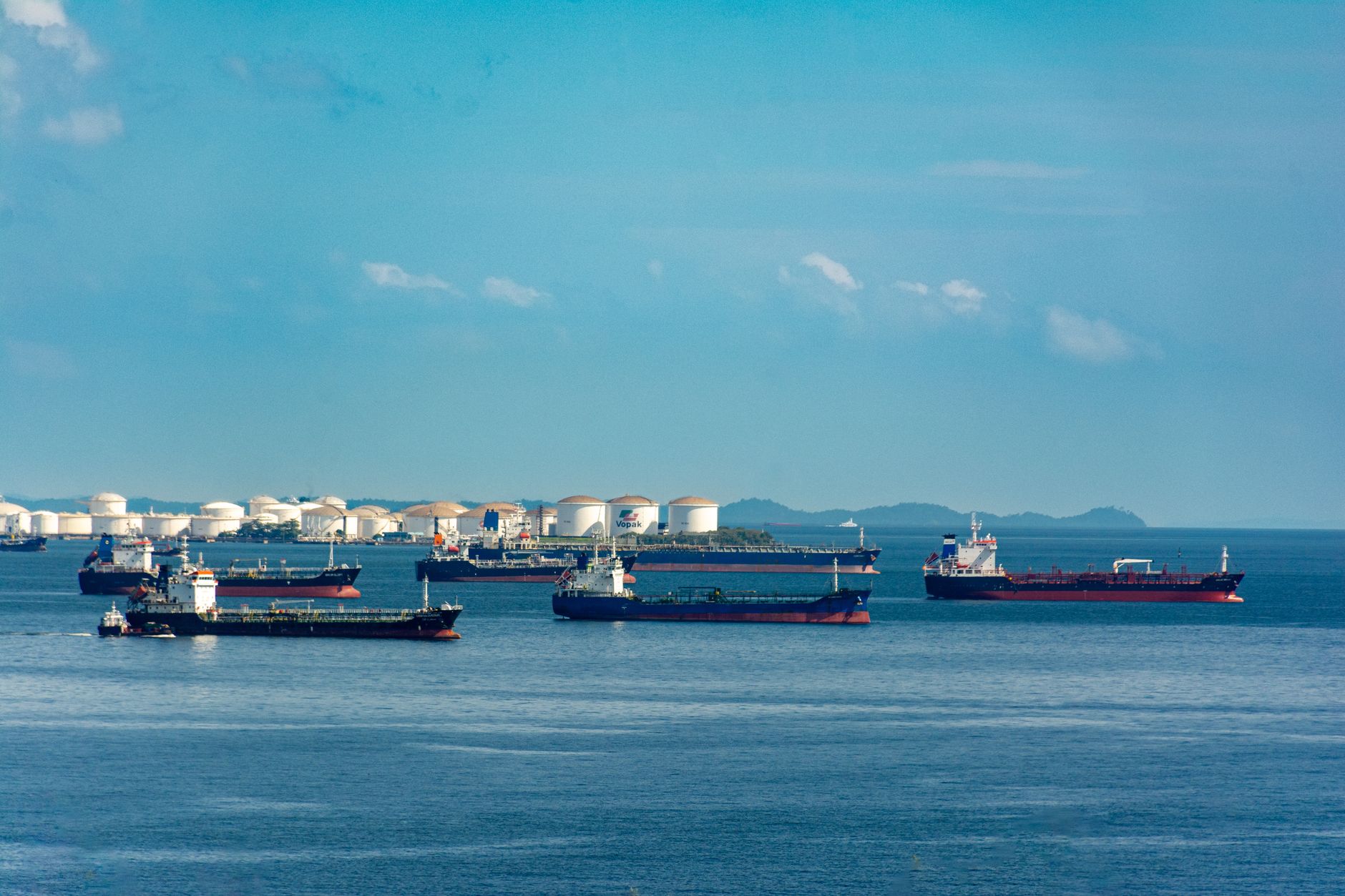
Are Tanker Rates the Worst Crisis in Oil Shipping?
tanker rates are reaching unprecedented levels, smashing $1 million a day as the oil shipping crisis deepens. This surge raises significant concerns for the industry and global oil supply.
Understanding the Current Oil Shipping Crisis
The oil shipping industry is currently facing an unprecedented crisis, with tanker rates skyrocketing to record highs. As demand for oil fluctuates and geopolitical tensions rise, shipping companies are grappling with significant operational challenges.
Factors contributing to the surge in tanker rates include:
- Increased Demand: As economies recover post-pandemic, the demand for oil has surged, straining supply chains.
- Geopolitical Tensions: Ongoing conflicts and sanctions have led to shipping disruptions, further inflating costs.
- Regulatory Changes: Stricter environmental regulations are increasing operational costs for tanker operators.
As a result, tanker rates have now surpassed $1 million a day, raising concerns about the long-term viability of oil shipping and prompting industry experts to question if these rates signify the worst crisis in oil shipping history.
Factors Driving Up Tanker Rates
The surge in tanker rates can be attributed to several interrelated factors that are reshaping the oil shipping landscape. Firstly, global demand for oil has rebounded sharply as economies recover from the pandemic, leading to increased shipping requirements.
Additionally, geopolitical tensions in key oil-producing regions have resulted in disruptions in supply chains, further straining availability and driving rates higher. Another significant factor is the tightening of environmental regulations, which has compelled shipping companies to invest in cleaner technologies and retrofitting older vessels, ultimately increasing operational costs.
Moreover, the limited number of available tankers due to delays in new shipbuilding has exacerbated the situation, creating a perfect storm that has pushed tanker rates to unprecedented levels. As these factors continue to evolve, the oil shipping crisis appears far from over.
Impact of High Tanker Rates on Oil Prices
The surge in tanker rates has significant implications for global oil prices, contributing to an ongoing crisis in oil shipping. As tanker rates reach unprecedented levels, surpassing $1 million a day, the costs are inevitably passed down the supply chain. This price increase affects not only producers but also consumers, leading to higher fuel prices worldwide.
Additionally, the elevated rates may result in some oil producers reducing output, as shipping costs become unsustainable. Analysts warn that if high tanker rates persist, we could see a ripple effect throughout the energy sector.
Key factors influencing this situation include:
- Increased demand for oil
- Supply chain disruptions
- Geopolitical tensions
In conclusion, the impact of high tanker rates on oil prices cannot be overstated.
Expert Opinions on Shipping Challenges
Experts in the oil shipping industry are expressing grave concerns over the escalating tanker rates, which have surged beyond $1 million a day. According to industry analyst Jane Doe, “This situation is unprecedented, and the potential for long-term repercussions on global oil supply is high.”
Furthermore, John Smith, a maritime economist, highlights that “the current crisis may be one of the worst we’ve seen, with tanker rates affecting not only shipping companies but also oil producers and consumers.”
Key challenges contributing to this crisis include:
- Increased demand for oil amid recovering economies.
- Supply chain disruptions caused by geopolitical tensions.
- Rising operational costs for shipping companies.
As tanker rates continue to climb, many are left wondering how this will reshape the future of oil shipping.
Future Outlook for Tanker Rates
As the crisis in oil shipping continues to evolve, the future outlook for tanker rates remains uncertain. Many industry experts predict that the unprecedented spike in rates may persist, driven by a combination of geopolitical tensions and supply chain disruptions.
In the short term, shippers may face continued challenges, including:
- Increased demand for oil transportation
- Limited availability of vessels
- Rising operational costs
However, some analysts suggest that there could be a gradual stabilization of rates as new shipping routes and technologies are developed. The long-term impact on the oil market will depend on how quickly supply can meet demand and whether regulatory changes will influence shipping practices.
Ultimately, the outlook for tanker rates is complex and will require careful monitoring in the coming months.
Photo by Zifeng Xiong on Pexels
Read the original