

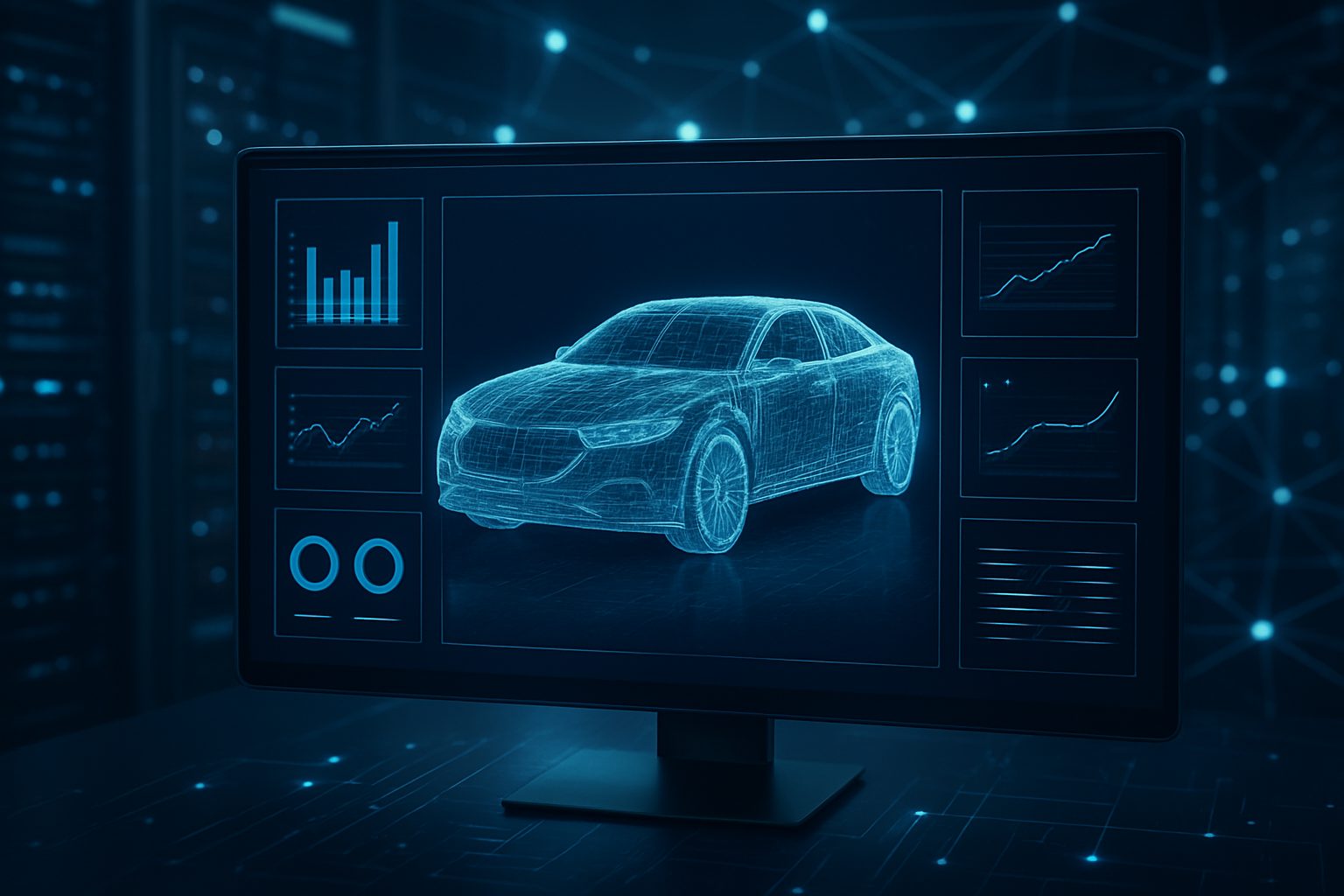
How AI-Driven Digital Twins Are Transforming Systems Engineering for Smarter Decision-Making
What makes AI-driven digital twins one of the most influential developments in modern systems engineering? Organizations across manufacturing, infrastructure, transportation, and industrial operations are increasingly adopting digital replicas of physical assets to improve planning and performance. Industry studies indicate that businesses using digital twins can reduce operational costs, enhance predictive insights, and improve system reliability through continuous data analysis. In discussions surrounding this advancement, Audrey Saylor emphasizes that successful implementation depends on combining engineering expertise with intelligent technologies rather than relying on automation alone. The value of digital twins lies in creating accurate virtual environments where teams can evaluate performance, identify potential concerns, and optimize decisions before changes occur in the real world.
Why are digital twins becoming a priority for engineering organizations? Traditional engineering methods often rely on historical information and periodic testing, while AI-powered digital twins continuously collect and interpret live operational data. This ongoing feedback allows engineers to monitor system conditions, recognize performance trends, and simulate future scenarios with greater confidence. Recent industry reports suggest that predictive maintenance strategies supported by digital twins can reduce unexpected equipment downtime by as much as 30% while improving maintenance efficiency. These measurable improvements demonstrate why companies continue investing in intelligent engineering solutions that provide better visibility into complex systems.
How does artificial intelligence strengthen the capabilities of digital twins? AI enables these virtual models to recognize patterns that may not be immediately visible through manual analysis. Machine learning algorithms evaluate operational behavior, compare historical trends, and generate recommendations based on continuously updated information. Instead of simply displaying data, AI transforms digital twins into active decision-support tools. According to Audrey Saylor, organizations achieve stronger engineering outcomes when engineers use AI-generated insights to complement professional judgment rather than replace it. This balanced approach allows technical teams to maintain control while benefiting from advanced analytical capabilities that improve planning accuracy and operational efficiency.
What measurable advantages can organizations expect from adopting AI-driven digital twins? Statistics from various industrial sectors highlight several consistent outcomes. Companies frequently report shorter product development cycles because engineers can validate concepts in virtual environments before physical production begins. Asset utilization often increases as operational inefficiencies become easier to identify. Safety planning also improves since engineers can simulate unusual operating conditions without exposing personnel or equipment to unnecessary risk. These improvements collectively contribute to stronger project management, more reliable systems, and better long-term financial performance.
How do digital twins support collaboration across engineering teams? Large engineering projects often involve multiple departments working simultaneously on interconnected systems. AI-driven digital twins provide a shared digital environment where designers, analysts, maintenance specialists, and project managers can review the same information in real time. This unified approach reduces communication gaps, accelerates decision-making, and ensures that every stakeholder works with current system data. Enhanced collaboration also minimizes costly design revisions while supporting consistent project execution from planning through implementation.
What should organizations consider before implementing AI-driven digital twins? Success depends on high-quality data, reliable system integration, and clearly defined engineering objectives. Businesses should establish strong data governance practices, maintain accurate digital models, and provide continuous training for technical teams. Scalable infrastructure is equally important because digital twins become more valuable as connected assets and operational complexity increase. Organizations that invest in both technology and workforce development are generally better positioned to maximize long-term returns from digital twin initiatives.
As industries continue embracing intelligent engineering solutions, AI-driven digital twins will remain an essential component of future system optimization. Their ability to combine predictive analytics, real-time monitoring, and collaborative decision-making offers significant advantages across diverse engineering environments. Audrey Saylor continues to highlight that lasting success comes from integrating innovative technologies with disciplined engineering principles, enabling organizations to improve efficiency, strengthen reliability, and make informed decisions that support sustainable operational growth.


