Free vs. Paid Sports Streaming — Making the Right Choice for Your Viewing Habits
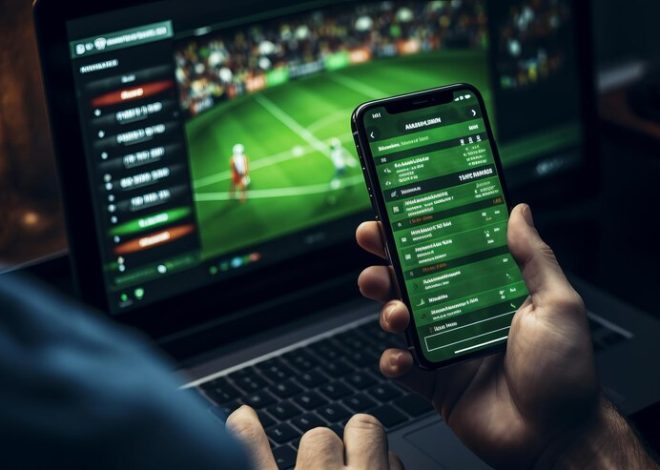
Sports fans face a familiar dilemma: pay for premium coverage or seek out free alternatives. Neither option is inherently superior—the right choice depends entirely on individual habits, budget, and the sports they follow. Platforms offering free access, such as Sportsurge, cater to a specific audience that values accessibility over premium features, while paid services target those who prioritize reliability and exclusive content.
What Are the Main Differences Between Free and Paid Sports Streaming?
The differences extend beyond cost. Paid sports streaming services typically offer guaranteed uptime, dedicated customer support, exclusive content rights, and enhanced features such as multi-view, DVR functionality, and behind-the-scenes access.
Free platforms, by contrast, operate with fewer guarantees. Stream quality may vary, and some links may become unavailable before or during an event. However, free platforms often aggregate streams from multiple sources, which provides a level of redundancy that partly compensates for individual link failures.
How Much Do Premium Sports Streaming Subscriptions Cost?
Pricing varies significantly by region and by sport. In the United States, dedicated sports streaming services range from approximately $7 per month for single-sport packages to over $80 per month for comprehensive sports bundles that replicate or exceed traditional cable sports coverage.
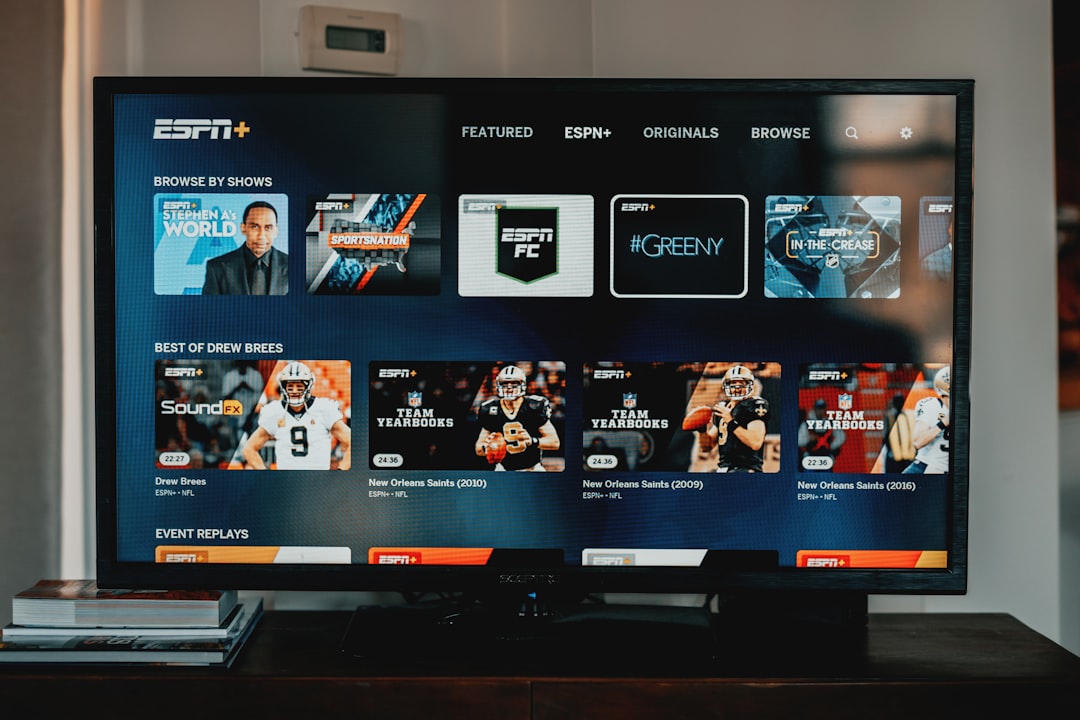
According to a 2023 consumer survey by Deloitte, the average American household subscribes to four streaming services simultaneously, spending approximately $61 per month in total. Adding a premium sports streaming service to this stack represents a meaningful financial commitment for many households.
Who Benefits Most from Free Sports Streaming Platforms?
Free platforms serve several distinct user groups particularly well. Casual fans who watch sports occasionally—perhaps for a playoff run or a marquee event—rarely justify the cost of a year-round subscription. Free access allows them to tune in without ongoing financial commitment.
International fans represent another significant group. Sports broadcasts are subject to complex regional licensing agreements, which means a fan outside a sport’s primary market may find that paid services are unavailable, prohibitively expensive, or lack coverage of specific leagues or tournaments.
Budget-conscious viewers round out the primary audience. In a period of rising living costs, discretionary spending on entertainment subscriptions is often among the first expenses households reduce.
Do Free Platforms Carry Legal Risks for Users?
This question generates significant debate. The legal landscape for online sports streaming varies considerably by jurisdiction. In some countries, simply accessing a free stream—as opposed to distributing one—carries no legal risk for the individual viewer. In others, the laws are more ambiguous.
Users concerned about this issue are advised to consult their local regulations and consider using platforms that can demonstrate licensing agreements for the content they host.
What Features Do Paid Sports Platforms Offer That Free Platforms Generally Do Not?
Premium sports streaming services differentiate themselves through several features that free platforms typically cannot match. Multi-camera viewing allows fans to switch between angles during a broadcast. Interactive statistics overlays provide real-time data alongside the stream. Offline download options enable viewing of recorded matches without a live internet connection.
Exclusive content—pre-match shows, post-match analysis, documentary series, and press conferences—adds significant value for dedicated fans who want more than just the 90 minutes of match action.
How Can Fans Get the Best of Both Worlds?
A hybrid approach works well for many sports fans. Using a free platform for regular season games and lower-stakes matches, while investing in a paid service for playoff coverage or premium events, balances cost management with quality assurance.
Some paid services also offer trial periods of seven to thirty days, which can provide short-term premium access without long-term financial commitment. Strategically timing a trial period around a major sporting event is a well-established approach among cost-conscious fans.