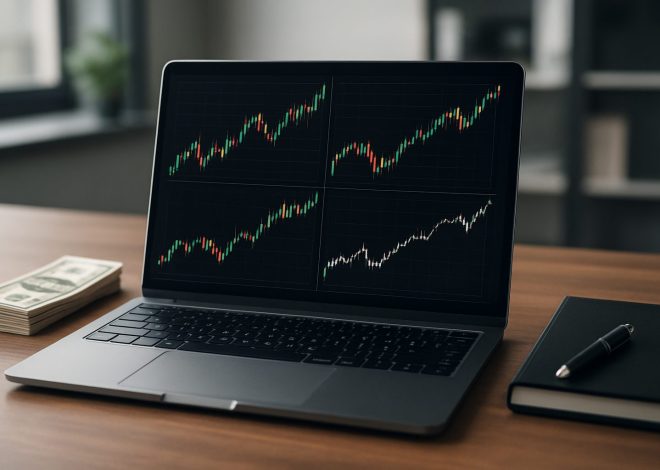
Why Precious Metals Attract Active Traders
Precious metals have held a unique place in global markets for centuries. Long before modern stock exchanges existed, gold and silver were already being traded, stored, and valued across civilisations. Today, these metals continue to command attention, particularly among active traders who seek instruments that respond clearly to economic shifts, market sentiment, and global uncertainty. Unlike many assets that rely on company performance or regional growth, precious metals often move in response to broader forces, making them a compelling choice for traders focused on timing, momentum, and macroeconomic awareness.
For active traders, the appeal of precious metals goes beyond their historical symbolism. These markets offer liquidity, transparency, and price behaviour that can align well with short to medium term trading strategies. Understanding why precious metals remain so attractive requires looking at how they behave under different conditions and what they offer in comparison to other asset classes.
The Role of Precious Metals in Global Markets
Precious metals such as gold, silver, platinum, and palladium are traded globally and priced in international markets, with gold playing the most prominent role. Their value is influenced by a combination of supply constraints, industrial demand, investment flows, and macroeconomic trends. Because they are not tied to the performance of a single company or government, they are often viewed as neutral assets within the global financial system.
This neutrality is particularly important during periods of uncertainty. When confidence in currencies, equities, or economic growth weakens, precious metals often attract increased interest. For active traders, this behaviour creates opportunities to engage with markets that are highly sensitive to shifts in sentiment and expectations, rather than earnings reports or corporate news cycles.
Gold as a Benchmark for Market Sentiment
Gold stands at the centre of precious metals trading. It is widely regarded as a store of value and a reference point for broader market confidence. Movements in gold prices often reflect changes in inflation expectations, interest rate outlooks, and geopolitical risk. These factors tend to evolve continuously, providing frequent signals for traders to interpret.
Active traders are drawn to gold because its price can respond quickly to economic data releases, central bank statements, and unexpected global events. Monitoring indicators such as real interest rates, currency strength, and risk appetite can help traders anticipate shifts in the market. Keeping an eye on the price of gold today allows traders to assess how current conditions are influencing demand and positioning in real time.
Liquidity and Accessibility for Active Strategies
Liquidity is a crucial consideration for active traders, and precious metals markets generally offer deep and consistent trading volumes. Gold, in particular, is traded around the clock across major financial centres, allowing traders to enter and exit positions with relative ease. This continuous activity supports tighter spreads and more efficient price discovery, which are essential for short-term trading approaches.
Accessibility also plays a role in the popularity of precious metals. Traders can engage with these markets through various instruments, enabling them to tailor exposure to their preferred timeframes and risk profiles. This flexibility allows precious metals to fit into a wide range of strategies, from intraday momentum trading to multi-day trend following.
Volatility Driven by Macro Events
While precious metals are often described as stable stores of value, their prices can experience significant volatility over shorter periods. This volatility is frequently driven by macroeconomic events such as inflation data, employment figures, interest rate decisions, and geopolitical developments. For active traders, these events create defined windows of opportunity where price movement can accelerate.
Gold and silver, in particular, tend to react strongly to changes in monetary policy expectations. When markets reassess the future path of interest rates, precious metals prices can adjust rapidly. Traders who understand these relationships may find opportunities by positioning ahead of key announcements or responding quickly as new information emerges.
Silver and Other Metals as Complementary Markets
Although gold receives the most attention, other precious metals also attract active traders for different reasons. Silver often displays higher volatility than gold, partly due to its dual role as both an investment asset and an industrial metal. This combination can lead to sharper price movements, especially when economic growth expectations shift.
Platinum and palladium, while less liquid than gold and silver, are closely linked to industrial demand, particularly in the automotive sector. For traders willing to monitor sector-specific trends, these metals can offer additional opportunities. Together, precious metals provide a diverse set of markets that respond to a range of economic drivers.
Conclusion: A Market That Rewards Awareness and Discipline
Precious metals continue to attract active traders because they sit at the intersection of history, economics, and modern market behaviour. Their prices reflect broad forces that shape the global financial system, from inflation and interest rates to political stability and investor confidence. For traders who stay informed and disciplined, these markets offer clarity in how they respond to changing conditions.
Rather than relying on speculation or hype, successful engagement with precious metals comes from understanding their drivers and respecting their rhythms. With liquidity, transparency, and sensitivity to macro trends, precious metals remain a compelling choice for active traders seeking markets that reward insight, preparation, and timely decision-making.